O.U.R. Solution
Old Uniform Retired Solution
One recycling fee. A closed loop from your uniform to new material.
When your company's uniforms retire, where do they actually go?
Landfill. Still wearing your logo.
Across the industry, less than 1% of retired uniforms are ever recycled. Most companies have no idea where the other 99% ends up — and no record to prove it isn't a problem.
1%
recycled
The other 99% is landfilled, incinerated, or unaccounted for.
It isn't a disposal problem. It's a visibility problem.
Once a uniform is decommissioned, most organisations lose the ability to say what happened to it next.
No chain of custody
Retired stock leaves the building with no tracking — and no way to prove it wasn't resold, counterfeited, or dumped
No ESG evidence
Disposal isn't documented, so it can't be reported. That's a gap in every circularity and scope 3 disclosure you file.
No destination for blends
Mixed-fibre and treated fabrics are rejected by most recyclers, so retired stock is landfilled or incinerated by default.
The stakes just changed
Circular economy is no longer optional. It's now law.
China's new Ecological Environment Code (生態環境法典), in effect from 15 August 2026, moves circular economy from a voluntary commitment into enforceable national law — part of the direction set by the 十五五 policy cycle.
The Code doesn't single out textiles. But it sets the standard every material category — including uniforms — will eventually be measured against.
For companies operating across Hong Kong and mainland China, that changes what an ESG claim needs to survive. An unverifiable claim isn't just a communications risk anymore — it's becoming a legal one.
↺ closes back into new material — the fee is paid once, at retirement
Retired stock leaves the building with no tracking — and no way to prove it wasn't resold, counterfeited, or dumped
You're never asked to buy the material back. What you get instead is proof: a certificate and a material breakdown you can put directly into a disclosure.
01
Retire
02
Collect
03
Process
04
Remake
03
Process
02
Collect
01
Retire
We closed that loop.
OUR Solution is Hanin Group's take-back programme for retired uniforms — one recycling fee, a documented process, and material that actually becomes something new.
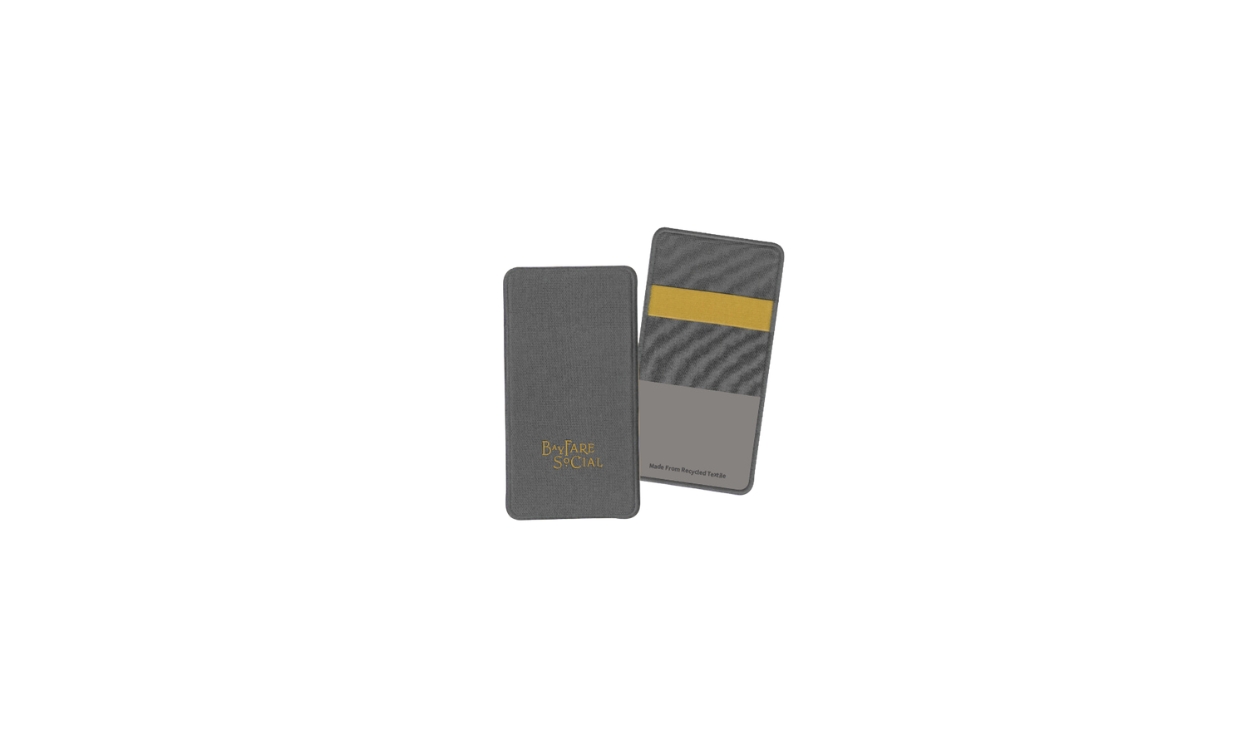
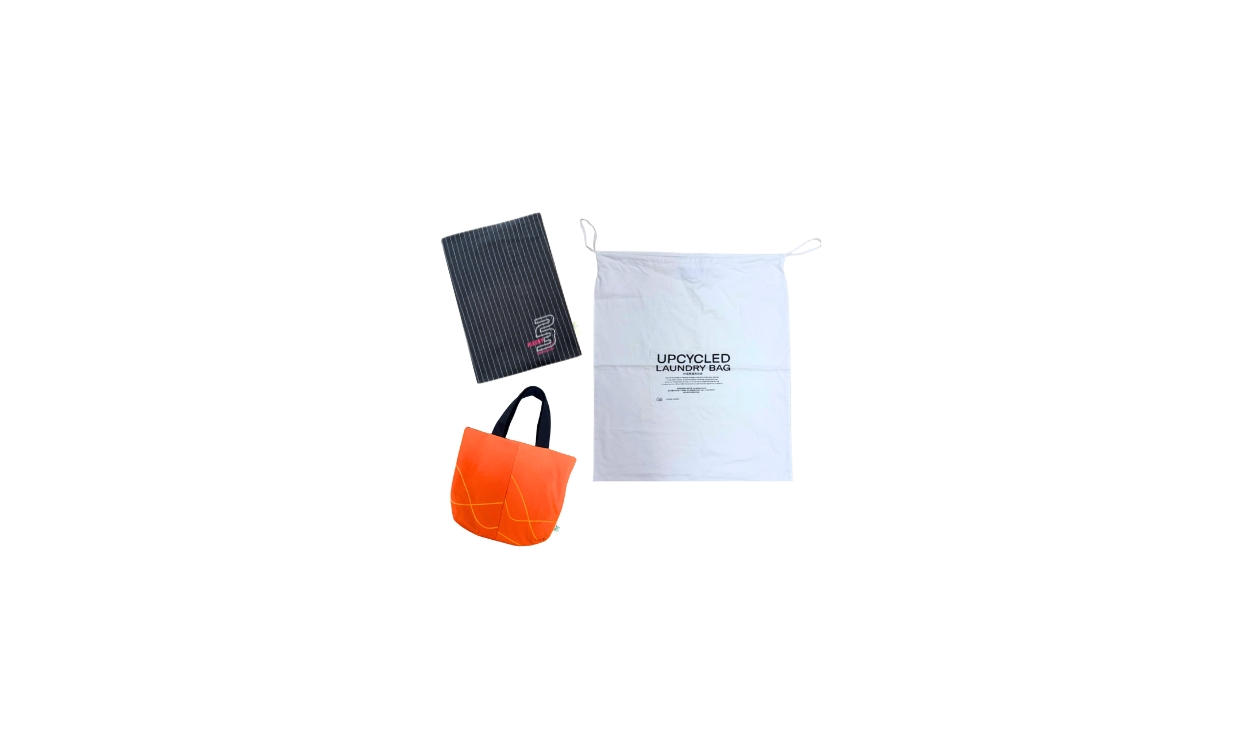
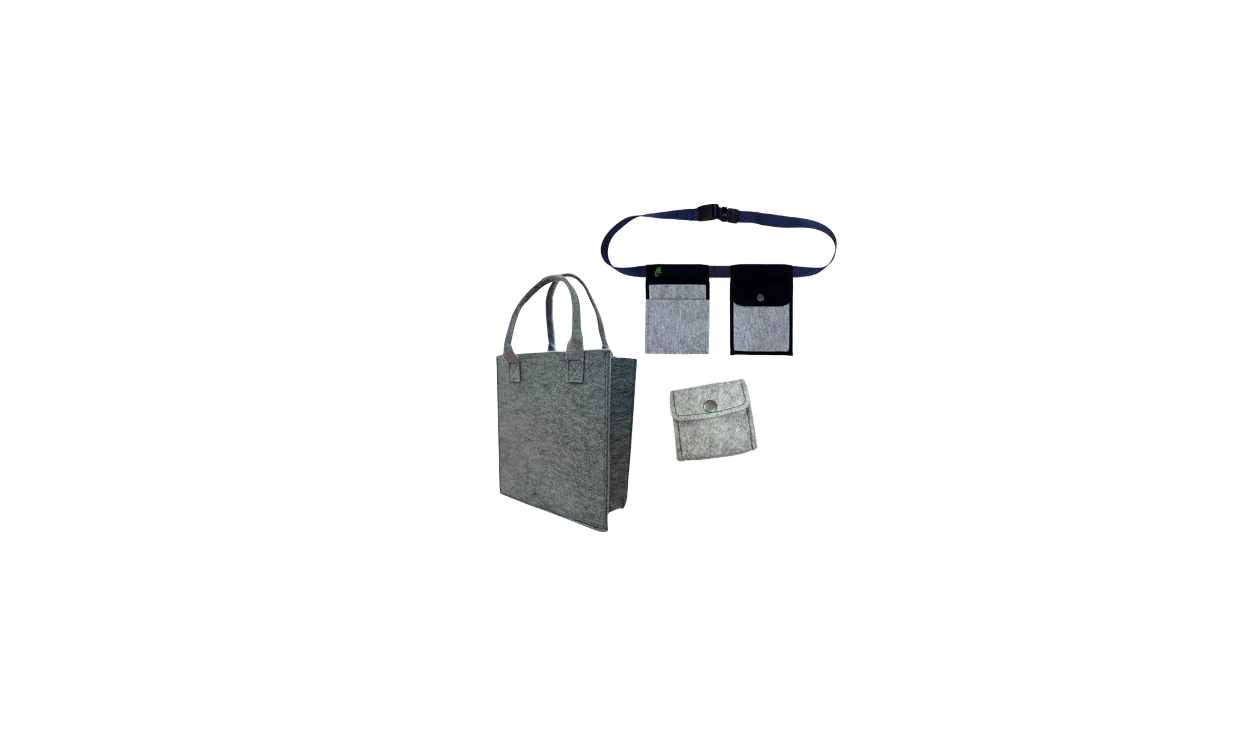
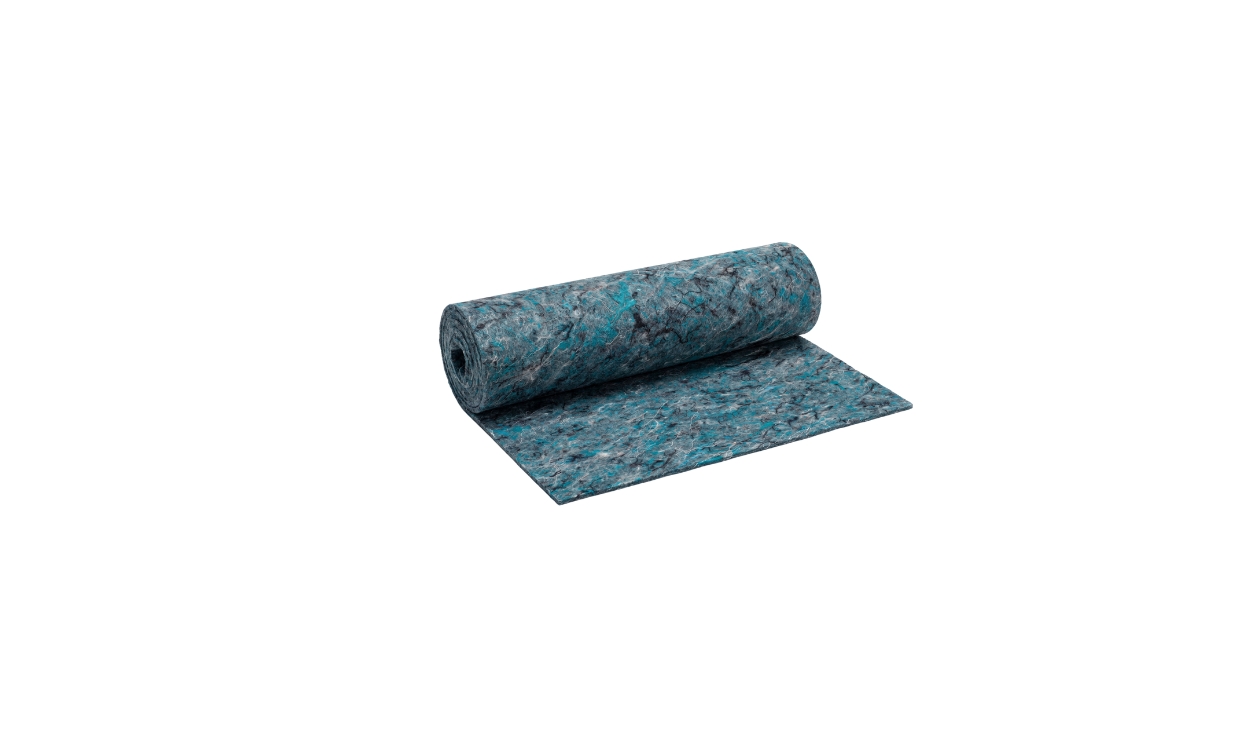
One retired uniform, many second lives.
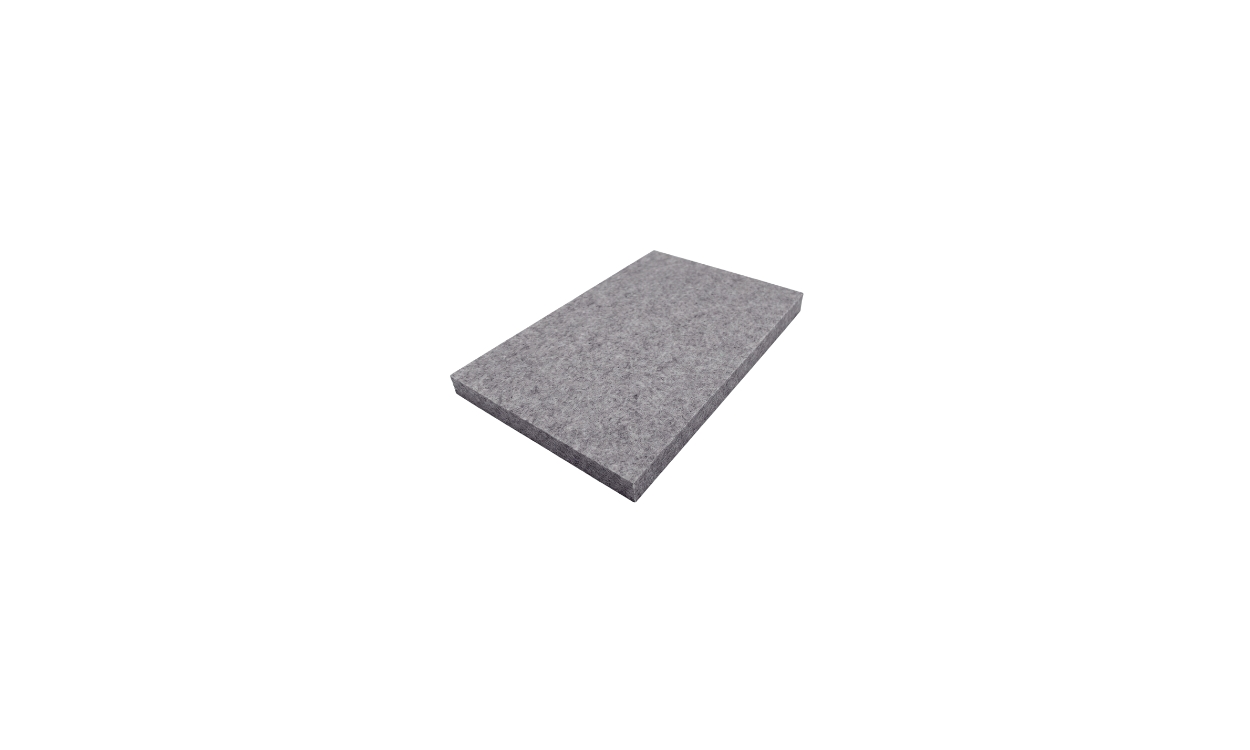
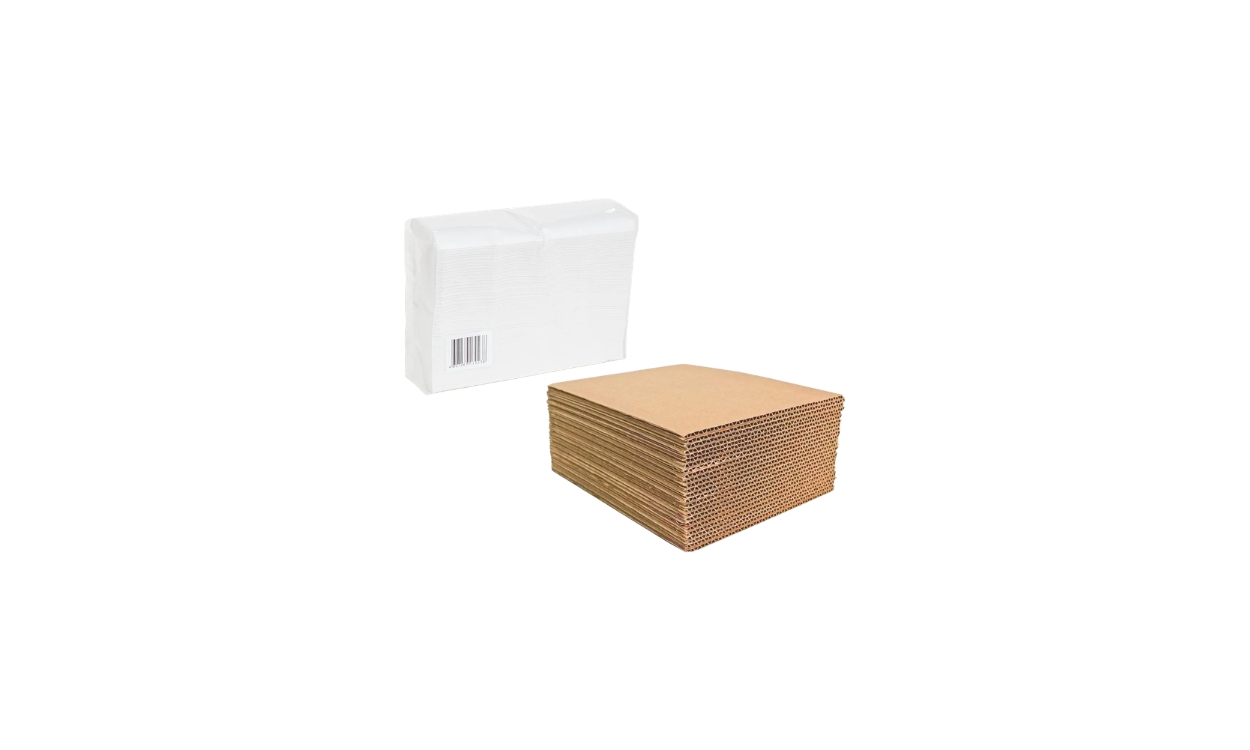
What a batch becomes depends on how much of its original quality survives processing. Mono-material stock is upcycled; mixed and blended stock is downcycled into raw material.
Upcycled Premiums



Downcycled Industrial Use



We agree collection volumes and timing around your uniform refresh cycle.
03
Garments are shredded and separated by fibre composition for downstream use.
Sort & process
Stock is collected, weighed and logged by material type at the point of handover.
01
Retire & schedule
We agree collection volumes and timing around your uniform refresh cycle.
Garments are shredded and separated by fibre composition for downstream use.
02
Collect & weigh
Stock is collected, weighed and logged by material type at the point of handover.
01
Retire & schedule
02
Collect & weigh
03
Sort & process
04
Certify & report
You receive a destruction certificate and material breakdown for your own reporting.
How it works
Verified, not just claimed.
The Ecological Environment Code raises the bar for what counts as proof. The numbers here run through two independent platforms.
Carbon & ESG reporting
TT Green
Every kilogram processed and every tonne of CO2e avoided is logged through TT Green's Carbon Management, ESG Reporting and Carbon Credit Trade platform — a GRI-certified, AWS-listed system used across Hong Kong's carbon and ESG ecosystem.
Material verification
Frontier — Eco Impactor™
Material composition and environmental impact for our recycled output is captured through Eco Impactor™, an internationally recognised digital product passport platform for fashion textiles, tracking carbon, water and land-use impact fabric by fabric.
~32 tonnes CO2e
Estimated emissions avoided, based on industry-standard textile recycling emission factors.*
10,000+ kg
Retired uniforms processed through OUR Solution to date.
1972
The year Hanin Group started working in textiles in Hong Kong.
One fee. Full accountability. Every kilogram accounted for.
*Estimate calculated at ~3.17 kg CO2e avoided per kg of textile diverted from landfill and recycled, a benchmark used in EU/UK textile-recycling carbon accounting — a directional estimate, not a site-specific measured figure. Verified carbon data is tracked through the TT Green ESG reporting partnership.
Built for the sectors carrying the most exposure
OUR Solution is already running inside uniform and materials programmes at public-listed companies, venues and institutions across these sectors.
MICE & exhibitions
Venues, organisers and contractors under pressure to prove waste diverted from every show.
MICE & exhibitions
Venues, organisers and contractors under pressure to prove waste diverted from every show.
Property & REITs
Front-of-house, security and estate management uniforms across managed portfolios.
Property & REITs
Front-of-house, security and estate management uniforms across managed portfolios.
Transport & infrastructure
High-turnover operational uniforms with strict brand and safety standards.
Transport & infrastructure
High-turnover operational uniforms with strict brand and safety standards.
Hospitality & hotel groups
Multi-brand uniform fleets with frequent refresh cycles.
Hospitality & hotel groups
Multi-brand uniform fleets with frequent refresh cycles.
Utilities & energy
Regulated operators under increasing disclosure scrutiny.
Healthcare
Clinical and non-clinical uniform stock requiring documented destruction.
Education
School uniform programmes retiring stock every academic cycle.